 ACKERMAN

At a glance
History, context & interpretation
What this document is
Four rare conical gold hats (Goldhüte) from Late Bronze Age Europe, made of thin sheet gold and deliberately buried in antiquity. The tallest is approximately 90 cm. Associated with the Urnfield culture; interpreted as ceremonial or priestly headgear linked to a solar cult and possibly calendrical functions. Several were carefully deposited underground. Distinct from the 19th-century Joseph Smith golden plates claim.
Dating and civilization
Golden Hats (Bronze Age Europe) is catalogued under Urnfield / Tumulus Culture (Central Europe) and is dated c. 1400–800 BCE. Its recorded category is Ritual / Ceremonial Artifact, associated with N/A (iconographic).
Where to investigate
Schifferstadt Hat (Historical Museum of the Palatinate), Avanton Cone (National Archaeological Museum, France), Ezelsdorf-Buch (Germanisches Nationalmuseum), Berlin Gold Hat (Neues Museum)
Connected traditions
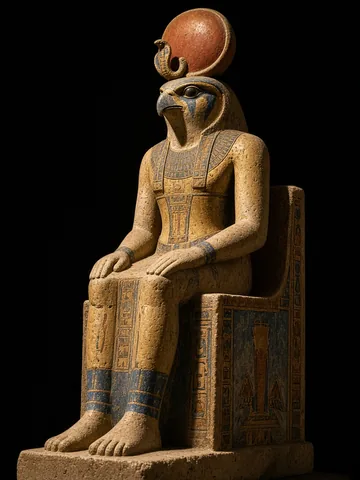
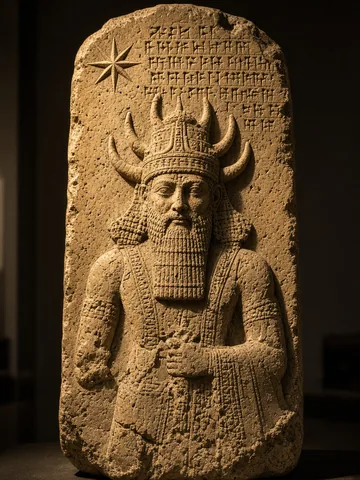
This entry connects to Ra (Re), An (Anu). Follow the linked deity profiles to compare stories and roles.
Continue exploring


Sources and further reading
Historical descriptions are educational summaries. Religious traditions, scholarly interpretations and unverified claims are distinguished where possible; imagery may be illustrative rather than an artifact photograph.